Hello, everyone! My name is Ms. Syazza and I am an English teacher here at Lil’ but Mighty. You will see me most of the time at the Clementi and Hougang branches! I am so stoked to share my very first blog post with you. Have you ever found yourself eavesdropping on your parents or the adults around you when they talk about the news, or what is happening around us? Or are you one of those children who find “news” boring and difficult to understand? What are current affairs and why are they important for children? That’s exactly what we’ll be exploring together in this post—so stay with me!
No matter which group you belong to, staying updated with current affairs will always prove to be valuable. Plus, although I always promote wide reading to my students, there are many credible, kid-friendly news websites that offer worldly insights in digestible, bite sized pieces. In fact, Ms. Su Xin has put together an amazing list of those here!
Knowing what’s happening in the world is important for everyone, including children. Keeping up with current events can help enhance your answers in the English exams, specifically for Oral and Composition writing. Other than that, there are other ways that it could develop you. Here’s how:
Forming Intelligent Opinions

Reading about what’s going on around the world helps you think more deeply about things. You learn to ask questions and understand different points of view.
You then start gaining confidence to strike up illuminating conversations with your peers or parents. While expressing your own thoughts about the subject matter, you consequently form your own viewpoints. You start to build respect, understanding and acceptance about human experiences around the world, and the opinions of others. People will eventually say you have an old head on young shoulders – this just means you are full of wisdom and are wise for your age (yes, it has nothing to do with your head being wrinkly and old).
Enhancing Exam Skills
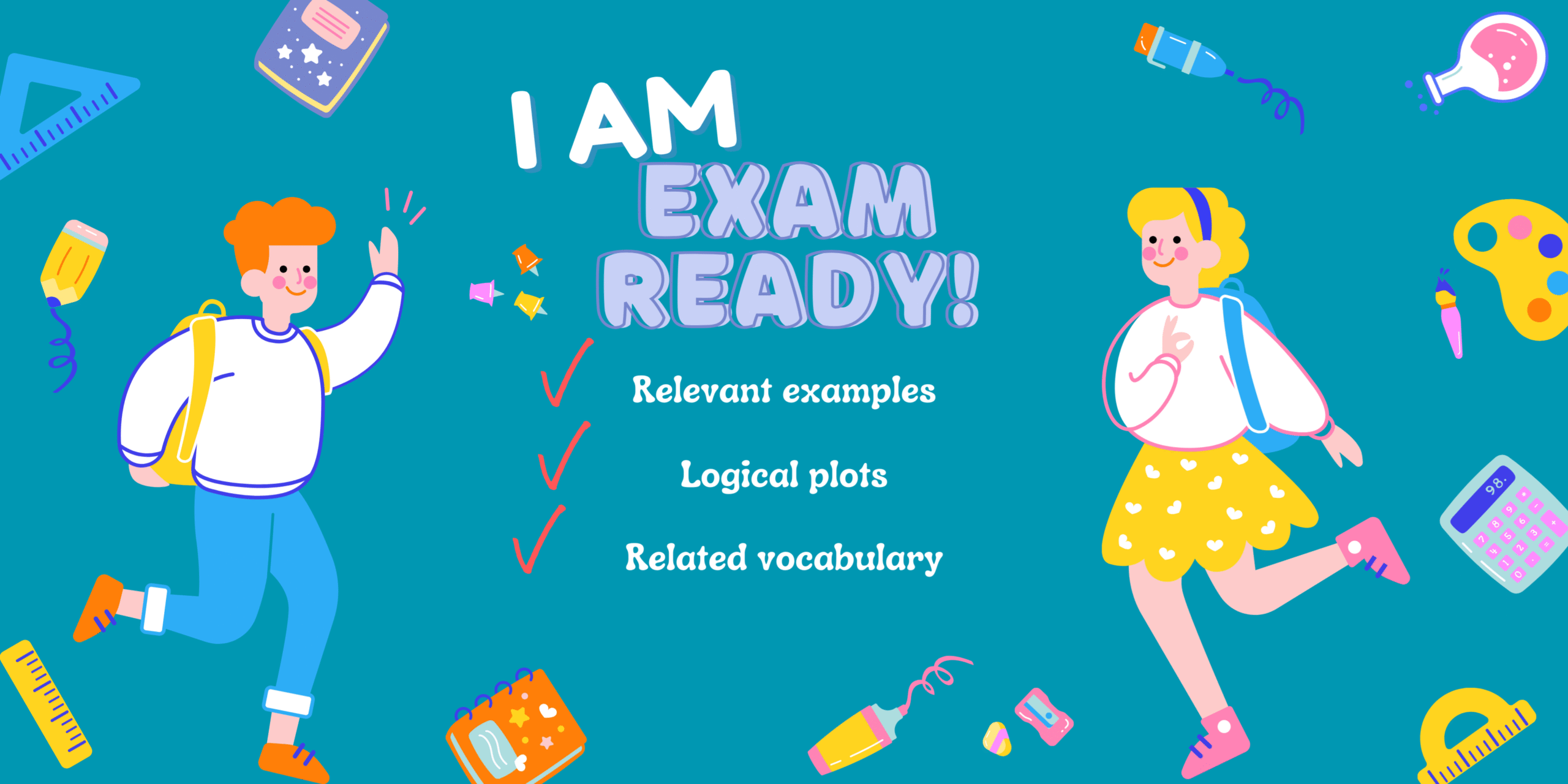
Familiarity with global issues equip you with current, factual knowledge that allows you to provide authentic examples in the stimulus-based conversation portion of the oral exams. This gives more validity to the opinions you have expressed in your oral response. Additionally, good compositions often hinge on believable plots, real-world relevance and emotional depth. Knowing about issues like kindness campaigns, food waste or even Artificial Intelligence help you craft stories that feel grounded. For example, a composition on the topic of “A Time I Helped Someone” could be inspired by a news story of volunteers helping elderly neighbours during COVID-19 lockdowns. I could never forget that period. Of course, exposure to news articles improves your vocabulary and familiarity to diverse writing styles and sentence structures.
Develops Critical Thinking Skills

News stories often highlight different perspectives, depending on the news source. This will encourage you to think about cause and effect, fairness, and solutions. You will move from being a sponge that not just absorbs, but one that processes information meaningfully with valuable output unique to you. It allows you to understand how different groups of people feel about a given issue and how interesting but necessary this is. As you grow older, you formulate opinions that are backed by actual facts and take the rest with a pinch of salt. The ability to think critically is especially crucial in this day and age where we are often inundated with information. Having this skill helps us to discern which data comes from a trusted source, and is therefore credible, as well as protects us from information that is fake or wrong.
For Parents: How to keep Current Affairs engaging
Now this little portion is for your mum and dad – but feel free to read on to pass the message on how they can support you journeying into current affairs.
1) Make it a Family Activity

Current affairs need not be boring if you turn it into a bonding experience! You could set aside some time each week to read and discuss a relatable news article together. Parents can answer questions, encourage thought-sharing and talk about how certain events affect your family or community.
2) Keeping it Positive
Parents and educators need to create a safe space for understanding the world. Some news stories can be concerning. It is important to have open and honest communication around these, especially when something upsetting is encountered. This allows the focus to be shifted to positive solutions and the existence of people working to solve these issues. The takeaway of news articles then stays insightful and hopeful with the right kind of reassurance from adults. Otherwise, careful selection of age-appropriate topics can always be exercised when discussing current affairs.
3) Tailoring to Interests
Curiosity can be encouraged by exploring topics that the child loves. The child can choose topics they want to learn more about, perhaps animal conservation, a specific sport or community work. You can follow the stories of people making a difference in certain issues to let these figures inspire your child.

My final hopes are for you to learn so much more about the world by staying updated with current affairs. Knowledge is the greatest richness you can have! I am so excited to speak about the news every time with my students. Learning is not confined to the classroom, and reading is not just from book cover to book cover. Have fun exploring and I’ll see you in class soon. Otherwise, I’ll catch you in my next post!
FAQs: Staying Plugged In – How Current Affairs Help Electrify Your Academic Journey and Personal Growth
Q1: What are current affairs and why are they important for children?
A1: Current affairs refer to what is happening around the world and in the news. Staying updated with current events is important for everyone, including children, because it helps them understand the world better, develop their opinions, and improve their academic skills.
Q2: How can staying updated with current affairs help me in my English exams?
A2: Familiarity with global issues can significantly enhance your English exam performance. For Oral exams, it provides you with factual knowledge to offer authentic examples and validate your opinions in stimulus-based conversations. For Composition writing, knowing about current issues helps you craft believable plots and real-world relevant stories. It also improves your vocabulary and exposes you to diverse writing styles.
Q3: How do current affairs help me form intelligent opinions?
A3: Reading about current events encourages you to think deeply, ask questions, and understand different points of view. This process helps you gain confidence to engage in conversations, express your own thoughts, and ultimately form your own informed viewpoints. It also fosters respect, understanding, and acceptance of different human experiences and opinions.
Q4: How do current affairs develop critical thinking skills?
A4: News stories often present different perspectives, prompting you to analyze cause and effect, fairness, and potential solutions. This helps you move beyond just absorbing information to meaningfully processing it and formulating unique insights. It also enables you to discern credible information from untrustworthy sources, which is crucial in today’s information-saturated world.
Q5: Where can children find kid-friendly news?
A5: The blog post mentions that there are many credible, kid-friendly news websites that offer worldly insights in digestible, bite-sized pieces. Ms. Su Xin has even put together a list of such resources.
Q6: How can parents make learning about current affairs engaging for their children?
A6: Parents can make current affairs engaging by:
- Making it a Family Activity: Set aside time to read and discuss news articles together, encouraging thought-sharing and discussing how events affect your family or community.
- Keeping it Positive: Create a safe space for understanding the world, discussing concerning news stories openly while shifting focus to positive solutions and those working to solve issues. Careful selection of age-appropriate topics is also recommended.
- Tailoring to Interests: Encourage curiosity by exploring topics your child already loves, such as animal conservation, a specific sport, or community work. You can also follow stories of inspiring individuals making a difference.
Q7: What is the meaning of the idiom “an old head on young shoulders”?
A7: “An old head on young shoulders” means that someone, despite being young, is full of wisdom and is wise for their age. It has nothing to do with physical appearance.
You can find Ms Syazza’s English tuition classes at Block 211 Hougang Street 21, #01-305 (Back entrance), Singapore 530211.