If you are preparing for your O Level English Oral examination, one of the most effective ways to improve is to practise with a structured list of past-year questions.
This guide provides a comprehensive O Level Oral list of questions, carefully grouped by themes. These are based on real exam trends, helping you recognise patterns and prepare with confidence.
Why You Should Practise with an O Level Oral Question List
Many students rely on memorised answers. However, the O Level Oral exam tests your ability to think and respond naturally.
Using a question list helps you:
- Identify common themes
- Practise organising your ideas clearly
- Build flexible examples you can reuse
- Improve fluency and confidence
By practising with actual past exam questions, you’ll gain a better sense of the types of topics and interactions that really appear in the exam. Recent oral exams have covered a wide range of subjects, such as:
- Exercise and Health: Questions might ask about the benefits of sports, your attitude towards fitness, or views on whether exercise in schools is more important than competition for top athletes.
- Human Qualities and Values: You may be asked about determination, confidence, or the importance of being self-reliant, and how these traits help in real-life situations.
- Arts & Culture: Topics often include your experiences with performances, creativity, or whether people working behind the scenes deserve as much credit as performers.
- Environment & Animal Welfare: Expect questions on green spaces in your community, recycling habits, or the responsibility we share for endangered animals.
- Education: You might discuss the value of teamwork, ways to encourage reluctant learners, or whether self-defence should be taught in all schools.
- Youth and Recreation: Recent questions have explored whether people have enough leisure time, the design of ideal recreational spaces, and the benefits of joining interest groups.
These themes appear year after year, though the scenarios and phrasing change. By recognising these patterns and practising your responses, you’ll be ready to tackle any new spin the examiners put on familiar subjects.
This approach not only prepares you for the exam, but also builds your skills in thinking on your feet—something that rote memorisation alone can never fully achieve.
O Level Oral Questions by Year and Theme
Below is a detailed look at the types of questions set in recent O Level oral exams, sorted by year and theme. Reviewing these real exam-style questions can help you anticipate what to expect and practise more effectively.
2024 Oral Exam Questions
Themes: Leisure & Recreation, Youth, Extreme Sports, Nature, Education, Environment, Heritage & Hawker Culture
- Would you recommend recreational activities like skateboarding or unicycling to young people? Why or why not?
- How would you design an ideal recreational area? What would your dream recreational space look like?
- What qualities or skills are needed for activities shown in the video (e.g., unicycling)?
- What are the benefits of participating in common interest groups? What do you think about people sharing these on social media?
- Should there be more nature-themed spots in Singapore? Why?
- What can be done to get teens interested in nature? Have teens done enough to protect nature?
- Do you think sections of libraries designed for children are appealing? Suggestions to improve your school library?
- Why do people tend to read less as they grow older?
- Is the current method of waste collection effective? What actions can individuals take to minimise waste?
- Is it important to prioritise waste reduction?
- Should Singapore have more street hawkers? Are more people eating out? Would youths want to become hawkers?
2023 Oral Exam Questions
Themes: Values & Character, Elderly, Environment, Education, Science & Tech, Sports, Teamwork
- What are the feelings of participants in events like the BMT Passing Out Parade?
- How can parents and schools develop students’ character?
- Should joining uniformed groups be compulsory?
- Are elderly people making good use of their time? How do you encourage elderly to pursue their interests?
- Is bridging the generational gap difficult?
- Should there be more open spaces like Marina Barrage? Suggestions to improve your neighbourhood?
- Is greenery important in your environment?
- How has haze affected city dwellers? Are environmental issues important in Singapore?
- Are human activities harming the environment?
- Do students prefer hands-on learning? Pros and cons of studying in groups?
- Are academic grades more important than what you learn in school?
- Has technology improved teaching and learning? Can technology replace teachers?
- Does training make sports less enjoyable? Is it beneficial to play competitive sports?
- Is academic achievement valued over sporting talent?
- Do team-building activities have value? Are there enough opportunities for teamwork?
- Should schools focus more on team or individual achievements?
2022 Oral Exam Questions
Themes: Human Qualities, Values, Sports, Arts & Culture, Animals & Nature, Elderly, Food
- What do you think children feel while playing in playgrounds?
- Did you enjoy games as a child? Are winners and losers essential in games?
- Are people obsessed with fitness and appearance?
- Would you exercise alone or with others?
- Is it better to watch performances live or onscreen?
- Would you like to work with animals? Should animals be kept in captivity?
- How do elderly people keep fit?
- Is it hard to find time for physical exercise nowadays?
- What is your favourite street food? Do you prefer eating at home or outside?
- What do you do during leisure time that is rewarding?
- Are all competitive people winners?
2021 Oral Exam Questions
Themes: Transport, Exercise & Health, Science & Technology, Arts & Culture, Shopping, Tourism
- What are your likes and dislikes about public transport?
- Should public transport be the only mode of transport in the future?
- Would you like to compete in sports? Should all children participate in competitions?
- What games did you play as a child? Do children have fewer opportunities to play now?
- Is it important to preserve traditions and customs?
- Would you like a job in a shopping mall? Are there too many shopping malls in Singapore?
- Do you enjoy public performances? Are they beneficial?
- Is it possible to have fun without spending money?
- How far do you agree that competition helps people achieve great things?
2020 Oral Exam Questions
Themes: Human Qualities, Values, Science & Tech, Education, Arts & Culture, Exercise & Health
- How do people feel about their work in the video?
- Is it more important to focus on studies than to worry about future jobs?
- Is playing games a waste of time? What are good ways to spend time with family or friends?
- Can the young and old really understand each other?
- Where do you prefer to do your homework? Advantages/disadvantages of using the internet for studying?
- Is it better to listen to music from other countries?
- Is it better for children to do organised activities or free play in parks?
- Should children compete in sports or just play for fun?
Types of Video Prompts Used in the O-Level English Oral Exam
Before facing the spoken interaction component, students are typically shown a short video clip. These video prompts are thoughtfully selected to cover a range of familiar and relatable themes, designed to spark discussion and encourage students to think on their feet.
You can expect a variety of topics, including:
- Leisure and Recreation: Clips might show people engaged in sports, hobbies, or outdoor activities such as skateboarding, cycling, or playing group games in a park. Sometimes, the focus shifts to youth exploring new experiences or participating in extreme sports.
- Nature and Environment: Videos featuring local green spaces, conservation activities, or scenes from Singapore’s parks and iconic locations (like Jewel Changi Airport) test your ability to discuss nature, environmental responsibility, and the importance of protecting green spaces.
- Education and School Life: Common scenes include students collaborating in a library, science laboratory experiments, or hands-on learning sessions. These prompts often lead to questions about personal study preferences, technology in education, or ways to improve school facilities.
- Heritage, Culture, and the Arts: You may encounter prompts showing traditional performances, street food vendors in action, cultural festivals, or local artisans at work. These encourage you to connect with personal experiences and reflect on Singapore’s heritage.
- Health, Sports, and Well-being: Video scenarios often revolve around people exercising, elderly fitness groups, or competitions—anything from table tennis to mass participation events. You may be asked about physical activity habits, the importance of sports, and maintaining a healthy lifestyle.
- Community and Social Life: Group activities—from team-building camps to volunteering or everyday interactions in a marketplace—are common. These generally open up opportunities to discuss teamwork, community spirit, and social responsibility.
Overall, the intention is to present realistic situations you might experience or observe in daily life. By practising with these varied scenarios, you’ll not only get comfortable with the question format but also broaden the examples and personal stories you can share during your exam.

1. Personal Development and Well-being
Recreation and Stress
- (2024) Do you think teenagers today have sufficient time for rest and leisure activities?
- (2022) Some believe that doing nothing is the most effective way to unwind. To what extent do you agree?
- (2021) Do you think children today have fewer chances to play compared to the past?
- (2020) Should children take part in structured activities instead of free play outdoors?
- (2020) Do you agree that playing games is a waste of time?
- (2018) Should young people be encouraged to spend more time outdoors instead of on screens?
- (2016) Do people today work too much and take too few holidays?
- (2014) Are flexible working hours the best solution to traffic congestion?
Healthy Living and Lifestyle
- (2022) Do people place too much emphasis on fitness and physical appearance?
- (2022) “Modern lifestyles have made it difficult for people to exercise regularly.” What is your opinion?
- (2018) Is going to the gym a waste of money and time?
- (2017) Can more be done to encourage people to exercise regularly?
- (2015) Do people place too much importance on physical appearance?
- (2013) Is staying physically fit a responsibility of every individual?
Emotional Well-being
- (2025) In what ways do different types of weather affect one’s mood or motivation? Why do you say so?
- (2014) Is having a sense of humour (being able to see the funny side of things) an important life skill?
2. Education and Learning
Purpose of Education (Knowledge vs Skills)
- (2025) Some people say that the skills that we learn in school can be applied at work. What is your opinion?
- (2025) How can schools help young people to develop problem solving skills?
- (2024) Do you agree that people tend to read less as they grow older? Why or why not?
- (2023) Do students generally prefer practical, hands-on forms of learning?
- (2023) What are the benefits and drawbacks of studying together in groups?
- (2023) What opportunities do you have to collaborate with others?
- (2023) Do you think what students learn is more important than their examination results?
- (2023) How can schools better support students in pursuing their interests and ambitions?
- (2023) Should schools place greater emphasis on teamwork or individual achievement?
- (2023) Should participation in uniformed groups be compulsory for all students? Why or why not?
- (2019) Should students be encouraged to participate in volunteer work and projects?
- (2019) Do students really need long school holidays, or should breaks be shorter?
- (2018) Do you agree that science should be prioritised over other subjects in school?
Common Interest Groups: Benefits and Challenges
Oral exam questions often explore how participating in common interest groups can enrich our lives—even as they pose some challenges.
Benefits
- Building Connections: Being part of a group with shared passions, whether it’s a sports team, book club, or volunteer organisation, helps people make new friends and feel a sense of belonging.
- Skill Development: Many interest groups offer chances to learn new skills—problem solving, teamwork, or leadership—that are valuable both in and out of school.
- Emotional Well-being: Groups can provide support during stressful times, offering a safe space to share experiences, unwind, and recharge.
- Wider Perspectives: By meeting people from different backgrounds, group members often pick up fresh ideas or discover new points of view they wouldn’t have encountered otherwise.
Challenges
- Time Commitment: One common concern is finding enough time to participate, especially with schoolwork and other responsibilities piling up.
- Group Dynamics: Sometimes personalities clash, or opinions differ, which can lead to disagreements if not managed well.
- Pressure to Fit In: In some cases, there’s subtle pressure to conform to the group’s norms or activities, even if they don’t entirely match personal interests.
- Exclusivity: Some groups may unintentionally become cliques, making it hard for newcomers to join or feel welcome.
Considering these points, oral exams may ask you to reflect on whether the sense of community and personal growth offered by common interest groups outweighs the potential drawbacks. Your own experiences—perhaps joining a robotics club, a sports team, or even online gamer communities—can help you illustrate your response.
Future Readiness and Lifelong Learning
- (2023) How can older adults be encouraged to continue developing their skills and interests?
- (2020) Should students prioritise their studies rather than think about future careers at this stage?
- (2014) What factors should be considered when choosing a career?
Role of Teachers and Systems
- (2025) How do you think an adult’s attitude affects a child’s learning and development?
- (2025) Teaching or coaching can be challenging to do well. Do you agree? Why?
3. Science and Technology

AI, Automation and Human Behaviour
- (2025) How do you think human behaviour has been affected by the increased use of machines? Why do you say so?
- (2025) Some people prefer things crafted by hand to those mass produced by machines. What is your opinion?
- (2020) Which occupations do you think cannot be replaced by technology?
- (2019) How would a cashless society impact your spending? Is using cash safer than relying on internet banking systems?
- (2018) Is reading from physical books better than reading online?
- (2016) Will physical shops become unnecessary due to online shopping in the future?
- (2013) Will working from home become the norm in the future?
Technology in Learning and Knowledge
- (2023) Will technology eventually take over the role of teachers? Why or why not?
- (2023) To what extent has technology improved teaching and learning in schools?
- (2020) What are the benefits and drawbacks of using the internet for studying?
- (2019) Will schools become unnecessary if learning can be done entirely online?
- (2018) Are museums still relevant in an age where information is easily available online?
Communication and Relationships
- (2017) Have mobile phones negatively affected our relationships with others?
- (2016) Would life improve without mobile phones?
4. Media and Consumer Influence

Influence and Responsibility
- (2013) Should celebrities be expected to act as positive role models?
Consumer Lifestyle and Daily Habits
- (2021) Can people truly enjoy themselves without spending money?
- (2021) To what extent do you agree that money can bring happiness?
- (2021) Do you think Singapore has an excessive number of shopping malls?
- (2017) Would having fewer choices make shopping easier for people?
- (2015) Is much of modern consumer spending unnecessary?
5. Family and Values

Character and Personal Development
- (2023) What role can parents and schools play in shaping students’ character?
- (2023) Are there enough opportunities for you to develop teamwork skills? Why or why not?
- (2017) Is it better to stay in one career throughout life rather than change jobs?
- (2015) Is self-confidence a key factor in achieving success?
- (2014) Is determination the most important factor in success?
Family and Generational Relationships
- (2023) Is it challenging to bridge the generational gap between young and old?
- (2020) Do you think the younger and older generations can ever fully understand each other?
- (2016) Do families nowadays spend insufficient time together?
- (2015) Is it beneficial for young and old people to engage in activities together?
- (2014) Was the older generation generally fitter than people today?
- (2013) Should families make a greater effort to spend quality time together in today’s fast-paced world?
- (2013) How can young people contribute positively to the lives of older individuals?
Social Responsibility and Community
- (2019) Should students be encouraged to take part in volunteer work and community projects?
- (2019) Is building relationships with neighbours as important as spending time with family and friends?
- (2014) Does travelling help people better understand different cultures?
- (2013) Should local charities be prioritised over international ones?
- (2013) Is an aging population a major challenge for modern societies?
6. Environment, Sustainability and Urban Living

Climate Change
- (2025) What are the ways that your school tackles climate change?
- (2025) Should young people be concerned about climate change issues? Why do you say so?
- (2024) In your view, are young people doing enough to protect the natural environment?
- (2023) Do people in Singapore place enough importance on environmental issues?
- (2023) To what extent do human activities harm the environment?
- (2019) Should people limit travel in order to reduce environmental pollution?
- (2014) Are human activities largely responsible for the increase in natural disasters?
Waste and Sustainability
- (2024) What actions can individuals take to reduce waste, and why is this important?
- (2013) What measures can be used to encourage recycling, and is it truly effective?
Urban Living
- (2023) Should Singapore increase the amount of green spaces and open areas?
- (2023) Singapore is known as the “Garden City”. How important do you think it is to have green spaces in the environment where you live?
- (2013) Are green spaces essential for people’s well-being in urban areas?
Government and Policy:
- (2021) Should public transport become the primary or sole form of transport in the future? Why?
- (2019) Can countries protect the environment effectively without international cooperation?
- (2017) Should cars be banned from city centres due to environmental concerns?
- (2016) Should public transport be made free for all?
Animal Welfare and Ethics:
- (2022) Is it acceptable to keep animals in captivity?
- (2019) Would you like to have a job that involves working with animals?
- (2016) Can animals ever be truly content living in zoos?
- (2015) Do humans have a duty to protect animals, including the endangered?
7. Sports and Competition
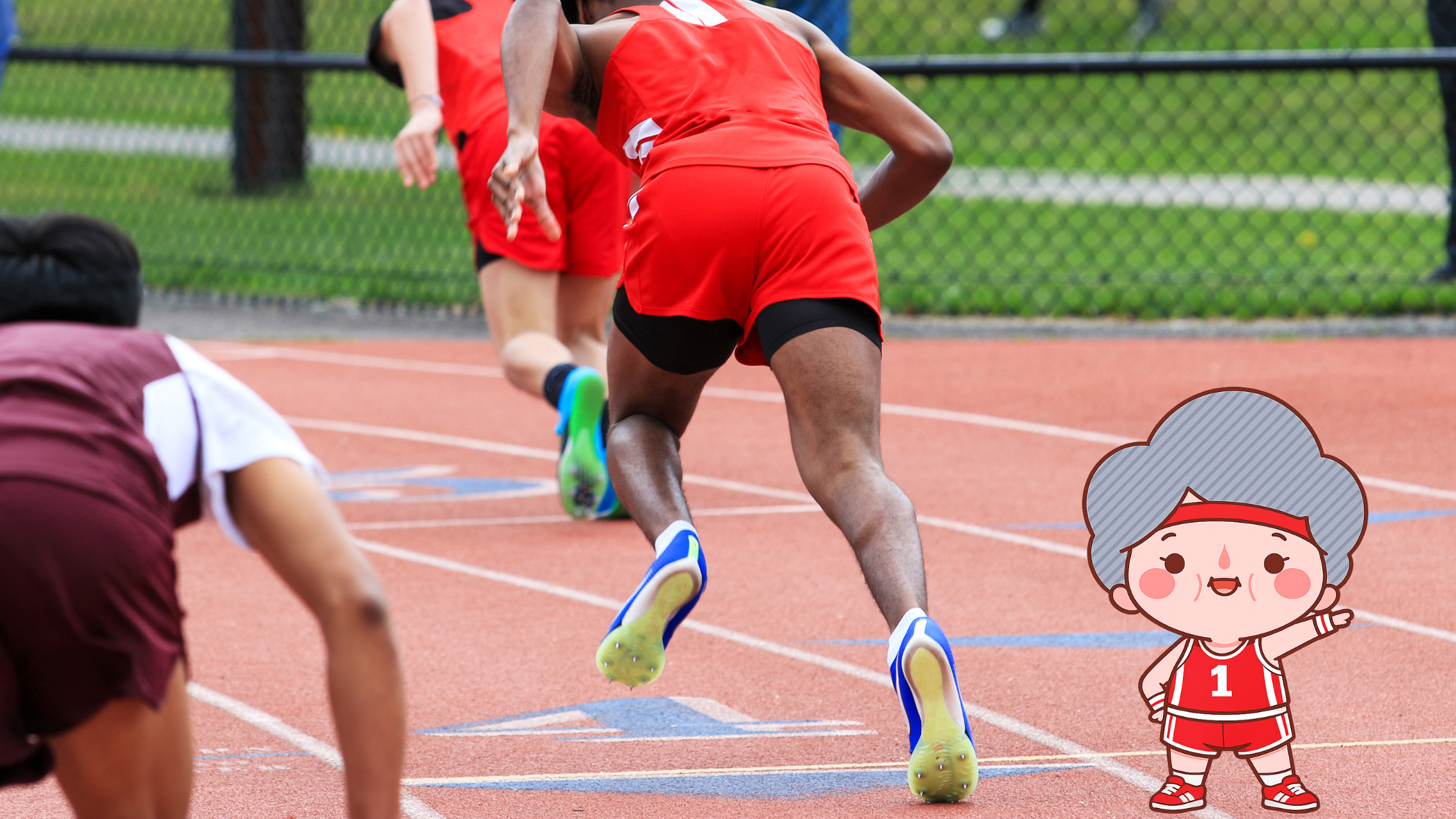
- (2023) Do you think taking part in competitive sports is beneficial? Why?
- (2023) Do you agree that academic success is valued more than sporting ability? Why?
- (2022) Do you agree with the claim that “winning and losing is all there is to games”?
- (2022) Do you agree that competitive people are more successful than those who are not?
- (2021) In your opinion, should all children be required to take part in competitions?
- (2021) To what extent does competition help individuals achieve success in life?
- (2020) Should sports for children focus on enjoyment rather than competition?
- (2019) Are team sports the most effective way to stay physically active?
- (2018) Is it beneficial for students to compete against one another?
- (2018) Are team sports more effective than individual sports for exercise?
- (2016) Should children reduce time spent on gaming and focus more on physical fitness?
- (2015) Is winning always the most important goal in competitions?
- (2015) Should schools prioritise promoting sports participation over elite-level competition?
- (2013) Are people who engage in extreme sports irresponsible?
8. Arts, Culture and Heritage

Creativity
- (2025) What mental or emotional benefits do you think people experience when they engage in the arts?
- (2025) Do you think that young people are naturally creative but lack opportunities to show their creativity?
- (2022) What are your views on traditional performances in today’s society?
- (2021) Do public or theatre performances bring any real value to society?
- (2020) Is it better to listen to music from other countries than from one’s own culture?
- (2017) Should entry to museums and art galleries be free for everyone?
- (2016) Is it more important for children to focus on studies than on learning musical instruments?
- (2015) Can creativity be taught, or is it innate?
- (2015) Should people who work behind the scenes for any performance (stage, film, TV) receive equal recognition as performers?
- (2014) Are live performances more engaging than recorded entertainment?
Culture and Traditions
- (2021) Is it still necessary to preserve traditions and customs today? Explain your view.
- (2017) What significance does National Day hold for you and your family?
- (2017) How important is it for nations to celebrate events like National Day?
- (2017) Can someone truly understand a city without living in it?
- (2016) Is living in a country necessary to understand its people?
Heritage and Economy
- (2024) Why are fewer young people choosing to become hawkers?
- (2024) Are people dining out more frequently nowadays? What is your opinion?
- (2022) What are your favourite types of street/hawker food? What are your views that “eating at home is the best”?
- (2018) Is tourism always beneficial for a country?
How to Use This O Level Oral Question List Effectively
Simply reading the questions is not enough. You need a clear approach.
1. Practise by Themes
Group similar questions together so you can reuse ideas.
2. Build Flexible Examples
Prepare examples for common areas such as:
- Technology (social media, AI, online learning)
- Environment (recycling, climate change)
- Education (school experiences, group work)
3. Structure Your Answers Clearly
A simple structure works well:
- State your opinion
- Give a reason
- Provide an example
- Link back to your point
Common Types of O Level Oral Questions
Understanding question types helps you respond faster.
Opinion Questions
Example: “Do you agree that playing games is a waste of time?”
These ask for your personal view on a statement or issue. You’ll often see them phrased as “Do you agree…?”, “What is your opinion…?”, or “To what extent is this true?” For instance, you might need to discuss whether public transport should be the only mode of transport in the future, or if people are too focused on physical fitness.
Discussion Questions
Example: “What are the benefits and drawbacks of using the internet for studying?”
Here, you’re expected to consider both sides of an issue or compare different options. Questions could include “What suggestions do you have to improve your neighbourhood?” or “What are the advantages and disadvantages of studying in groups?” These require you to think broadly and address multiple perspectives.
Personal Reflection Questions
Example: “What opportunities do you have to collaborate with others?”
These questions focus on your experiences, feelings, or personal preferences. You may be asked about a memorable competition, how you usually spend your leisure time, or what type of recreational area you’d design. For example, “Tell me about a sport competition you’ve participated in,” or “Would you like to work with animals in the future?”
Other Common Themes in Oral Questions
- Leisure and Recreation: Questions about sports, hobbies, or how people spend their free time. E.g., “Would you recommend skateboarding to young people? Why or why not?”
- Education: Topics like reading habits, improvement of school facilities, or the role of technology in learning. E.g., “Do you and your friends prefer hands-on learning? Why or why not?”
- Environment: Issues such as waste management, nature conservation, or open spaces in cities. E.g., “What actions can individuals take to minimise waste?”
- Culture and Heritage: Exploring traditions, festivals, and food culture. E.g., “Should there be more street hawkers in Singapore? Why or why not?”
- Values and Human Qualities: Discussing teamwork, character building, or bridging generational gaps. E.g., “All students should join uniformed groups as part of their CCA. What are your views?”
Recognising these question types and themes will help you prepare focused examples and structure your answers more confidently during the exam.
Final Thoughts
This O Level Oral list of questions is designed to help you prepare more strategically.
Focus on understanding themes and practising structured responses. With consistent practice, you will become more confident, fluent, and adaptable during the exam.

WordStruck Secondary English Telegram Channel
Welcome to Lil' but Mighty’s WordStruck official channel! 🎉
This community is dedicated to empowering students to excel in O-level English.
By 2026, we hope to support 1,000 students.🌟
Love,
Lil' but Mighty