Hi everyone! I’m Mr Aloysius, a Secondary English Curriculum Writer and Teacher at Lil’ but Mighty (Tampines). Preparing for the O-Levels Oral Examination can feel overwhelming, especially when questions span a wide range of topics, from personal experiences to broader societal issues. While it may be tempting to memorise model answers, this approach often falls short when faced with unfamiliar questions or unexpected prompts.
This guide is designed to take a different approach. Instead of providing fixed responses, it offers starter O Level Oral talking points across four key themes: Personal Development and Well-being, Education and Learning, Science and Technology, as well as Media and Consumer Influence. These themes reflect recurring areas tested in past-year oral examinations and highlight important issues shaping our world today.
For a comprehensive list of O Level Oral questions, you can refer to this resource: https://lilbutmightyenglish.com/blog/o-level-oral-list-of-questions-80-past-year-questions-by-theme/
Use this list alongside the O Level Oral talking points in this guide to revise by theme, compare question types, and practise developing your responses more effectively.
These are not meant to be memorised answers. Instead, think of them as a foundation. Strong oral responses come from your ability to:
- draw on your own experiences
- refer to real-world examples or current affairs
- express your ideas clearly and convincingly
As you work through this guide, challenge yourself to go beyond the given points. Ask: How does this apply to me? What examples can I use? What is my opinion?
By doing so, you will not only prepare for the examination, but also develop the confidence to respond naturally and effectively to any question that comes your way.
Topic 1: Personal Development and Well-being

Focus: How individuals manage time, stress, and personal well-being in an increasingly demanding environment
Recent Examination Questions
- “Do you think teenagers today have sufficient time for rest and leisure activities?” (2024)
- “Some believe that doing nothing is the most effective way to unwind. To what extent do you agree?” (2022)
- “Should children take part in structured activities instead of free play outdoors?” (2020)
- “Do people place too much emphasis on fitness and physical appearance?” (2022)
1. Recreation = Mental Recharge
- Recreation plays a crucial role in maintaining mental well-being, but is more than just simple relaxation.
- Effective recreational activities help individuals regulate stress, process emotions, and sustain long-term productivity in high-pressure environments.
- However, not all forms of leisure achieve this purpose, as passive activities (such as ‘doomscrolling’ on one’s digital devices) may provide temporary relief without addressing underlying fatigue.
2. Time Constraints & Academic Pressure
- Many teenagers experience time constraints due to demanding academic schedules and competing commitments.
- The issue is not only a lack of time, but also the increasing expectation to maximise productivity in every aspect of life (over-competitiveness, fear of failure).
- As a result, recreation is often deprioritised or reduced to fragmented/irregular breaks, which may not provide meaningful recovery.
3. Meaningful Recreation & Personal Growth
- The effectiveness of recreation depends on its quality and intention, rather than the amount of time spent.
- Activities that promote active engagement, skill development, or reflection are more likely to support personal growth and long-term well-being.
- In contrast, excessive reliance on passive forms of leisure, such as mindless digital consumption, may lead to incomplete rest and reduced concentration.
4. Health, Lifestyle, and Social Expectations
- Modern discussions of well-being increasingly emphasise physical fitness and appearance, sometimes conflating health with image (looking slim / buff = healthy).
- While exercise is important, excessive focus on appearance may reflect social pressures, and exacerbate one’s insecurity (affect emotional and mental wellbeing).
- A more balanced perspective recognises that health includes physical, mental, and emotional dimensions, and that sustainable habits (diet, rest, exercise) matter more than short-term or appearance-driven goals.
5. Emotional Resilience and Personal Growth
- Well-being is not defined by the absence of stress, but by the ability to respond constructively to challenges.
- Experiences such as failure, uncertainty and even boredom, can contribute to personal growth when individuals learn to manage them effectively.
- This highlights the importance of emotional resilience and stress management.
Balanced Perspective
- Personal well-being (self-care) cannot be reduced to simply having more free time or engaging in more leisure.
- It depends on: individuals prioritising what is important as well as the quality of their activities.
- The key issue is not whether people have enough time, but how they manage/balance it.
Topic 2: Education and Learning
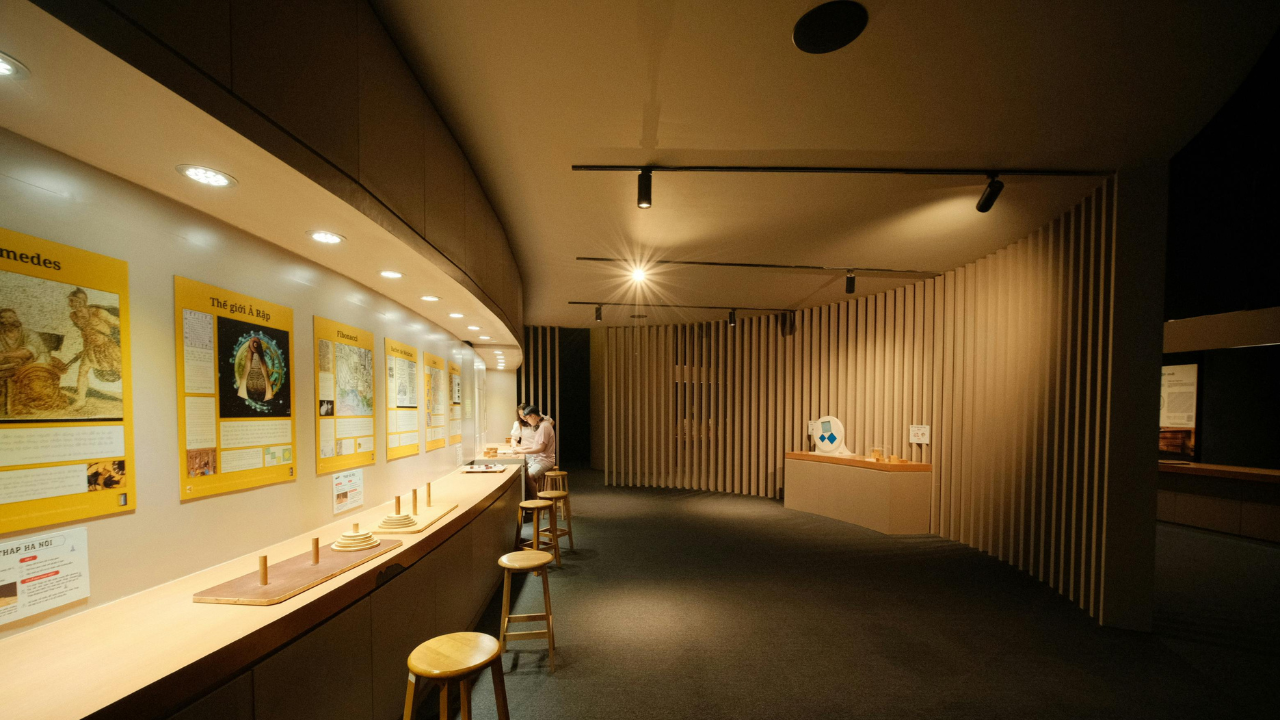
Focus: What education should prioritise in a rapidly changing and uncertain world
Recent Examination Questions
- “Some people think that skillsets learnt in schools can be used during work in the future. How far do you agree?” (2025)
- “How can schools help young people develop problem-solving skills?” (2025)
- “Do students generally prefer practical, hands-on forms of learning?” (2023)
- “Do you think what students learn is more important than their examination results?” (2023)
- “In the future, we will not need schools because all learning can take place online.” (2019)
- “Should cooking be a compulsory subject in schools?” (2016)
1. Beyond Knowledge: The Purpose of Education
- A narrow focus on academic results does not fully prepare students for the complex and unpredictable demands of modern society.
- While examinations reward content mastery, real-world situations often require adaptability, collaboration, and judgement, which are not easily measured.
- A more holistic approach recognises that character, values, and transferable skills are equally essential for long-term success.
2. Relevance to Future Work & Life
- School-based learning does not always translate directly into specific job tasks, but it develops foundational competencies that support future learning and adaptation.
- 21st CC skills such as critical thinking, communication and problem-solving enable individuals to navigate unfamiliar challenges, even in careers that do not yet exist.
- Therefore, the value of education lies less in immediate application and more in its long-term adaptability and flexibility.
3. How Students Learn: Depth vs Efficiency
- Hands-on and collaborative learning promote discussion and perspective-taking.
- However, if poorly structured, they may result in uneven participation or superficial engagement.
- Learning is effective when it promotes critical inquiry and in-depth understanding of the subject, rather than just passive completion of tasks.
4. Technology and the Structure of Learning
- Technology (Language Learning Models, AI tools) has expanded access to information and enabled more personalised learning experiences, making education more efficient and flexible.
- However, learning also involves guided interpretation, discussion, and feedback, which require human interaction.
- Without the structure provided by schools and teachers, students may struggle with discipline, motivation, and the ability to evaluate information critically in an age of misinformation.
5. Breadth of Education: Beyond Academics
- Skills such as music, dance, and practical subjects (cooking, financial literacy) contribute to personal development and creativity too.
- These experiences cultivate qualities such as discipline, resilience, and self-expression, which are essential for personal growth.
Balanced Perspective
- While academic achievement remains an important measure of ability, an excessive focus on grades may narrow the purpose of education.
- A more effective system balances knowledge, skills, and values, ensuring that students are prepared not only for examinations, but for life beyond school.
- The key issue is not whether academics matter, but whether they are over-prioritised at the expense of holistic development.
Topic 3: Science and Technology
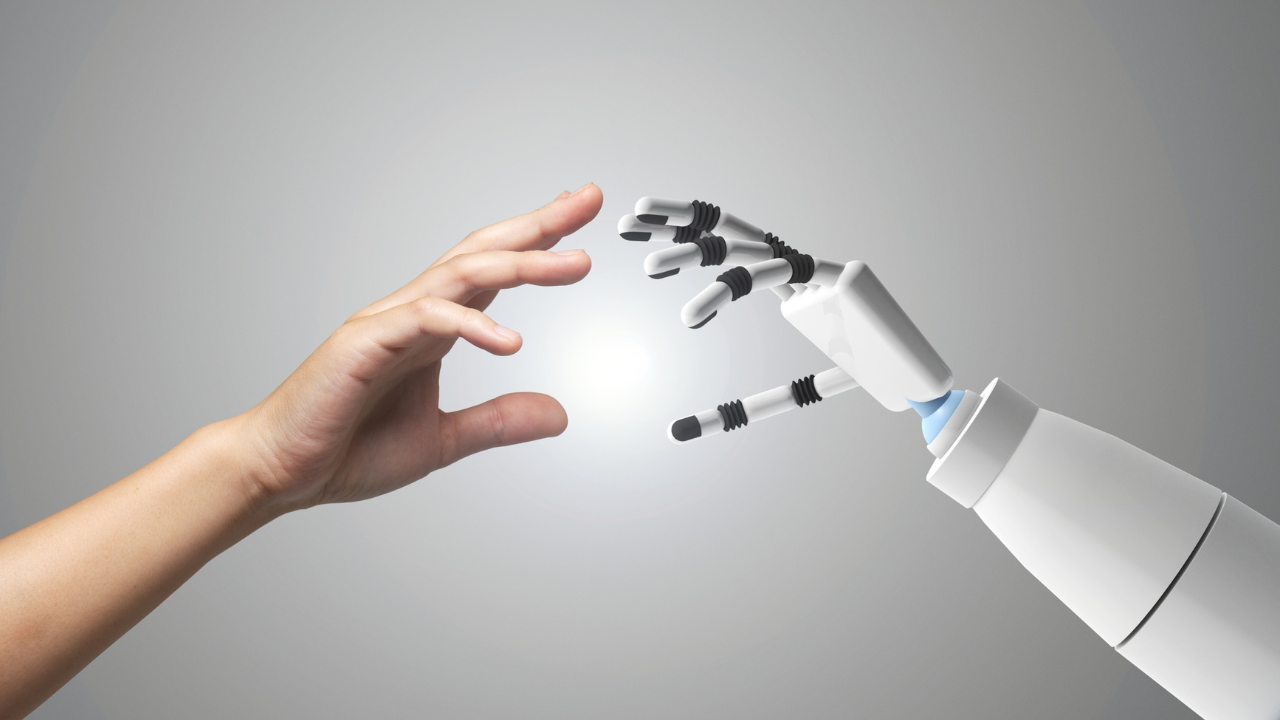
Focus: How technology shapes human behaviour, work, learning, and everyday life.
Recent Examination Questions
- “How do you think human behaviour has been affected by the increased use of machines?” (2025)
- “Which occupations do you think cannot be replaced by technology?” (2020)
- “Will schools become unnecessary if learning can be done entirely online?” (2019)
- “Are museums still relevant in an age where information is easily available online?” (2018)
- “Have mobile phones negatively affected our relationships with others?” (2017)
- “Will physical shops become unnecessary due to online shopping?” (2016)
1.Shifting Human Attitudes Towards Technology
- Society has moved from viewing machines as tools of convenience, to relying on them as decision-makers, reflecting growing trust and dependency.
- As technology becomes more embedded in daily life, individuals increasingly delegate tasks that require judgement, such as navigation or recommendations.
- However, this shift may gradually reduce independent thinking, as people become accustomed to automated (and often instant) solutions rather than active decision-making.
2. Limits of Technology: The Human Value
- Despite rapid advancement, technology cannot fully replicate empathy, moral judgement, and contextual understanding.
- Human-centred professions (such as teaching, healthcare, counselling) often require sensitivity to emotions and ethical considerations
- This suggests that technology is more likely to complement rather than replace human roles.
3. Knowledge, Access and Credibility
- Technology provides instant access to vast amounts of information, but this convenience also increases exposure to misinformation and unreliable sources.
- The rise of fake news and deepfakes makes it more difficult to distinguish between credible knowledge and manipulated content, especially when information is consumed quickly and uncritically.
- As a result, there is a growing need for digital and AI literacy, so individuals can evaluate sources carefully and engage with information in a more informed and discerning manner.
4. Technology in Education: Enhancement vs Replacement
- Technology enhances learning by providing flexibility, personalised resources, and immediate access to information (e.g. AI tools, LLMs).
- However, it cannot fully replace the human interaction and guidance provided by teachers and physical learning environments.
- The effectiveness of education therefore depends on integrating technology without losing essential human elements.
5. Digital Economy and Changing Lifestyles
- Technological developments have reshaped economic activities, from cashless transactions to online shopping and remote work.
- While these changes increase convenience and efficiency, they also introduce concerns such as cybersecurity risks and reduced physical interaction.
6. Technology and Human Relationships
- Technology has not simply weakened relationships, but has transformed how people connect and interact. Online platforms allow individuals to maintain relationships across distance and form communities based on shared interests, expanding the scope of social interaction.
- However, these interactions may sometimes lack depth or non-verbal cues, raising questions about whether increased connectivity necessarily leads to stronger relationships.
Balanced Perspective
- Technology has reshaped multiple aspects of life, including behaviour, learning, and social interaction.
- While it offers clear benefits in efficiency and access, it also introduces new challenges related to dependency, credibility, and (loss of) human connection.
- The key issue lies in how individuals adapt to and manage these changes.
Topic 4: Media and Consumer Influence

Focus: How media shapes attitudes, consumer behaviour, and social values
Recent Examination Questions
- “Should celebrities be expected to act as positive role models?” (2013)
- “Can people truly enjoy themselves without spending money?” (2021)
- “To what extent do you agree that money can bring happiness?” (2021)
- “Do you think Singapore has an excessive number of shopping malls?” (2021)
- “Would having fewer choices make shopping easier for people?” (2017)
- “Is much of modern consumer spending unnecessary?” (2015)
1.Media Influence on Values and Behaviour
- Media does not merely reflect society; it actively shapes perceptions of success, beauty, and lifestyle (e.g. Korean wave, Hollywood).
- Constant exposure to curated content can normalise materialism, leading individuals to equate self-worth with possessions or status.
- As a result, people may adopt behaviours and aspirations promoted by influencers’ curated (and seemingly ‘perfect’) lifestyles.
2. Consumerism and Perceived Happiness
- The idea that money leads to happiness is often reinforced by media portrayals of wealth and success.
- While financial stability provides comfort and security, excessive consumption may offer only short-term gratification rather than lasting fulfillment.
- This may encourage impulse buying driven by advertising, and become reliant on the dopamine ‘kick’ from new purchases (e.g. blind boxes).
3. Choice, Convenience, and Overconsumption
- Modern consumers face an overwhelming range of choices, which can create decision fatigue rather than genuine satisfaction (paradox of choice).
- While variety offers freedom, it may also encourage unnecessary spending and reduce appreciation for what one already has.
- This is prevalent in online shopping (e.g. Lazada, Shopee, Taobao), where regular flash sales and loyalty discounts are readily available on one’s mobile devices, inadvertently encouraging binge shopping/retail therapy.
4. Influence and Responsibility of Public Figures
- Celebrities and influencers hold significant power in shaping public attitudes, especially among young people.
- Their actions, words and endorsements can influence behaviour (youths imitating trends seen online), making them informal role models whether intentionally or not (e.g. Taylor Swift, IShowSpeed, Mr Beast).
- However, placing full responsibility on them overlooks the role of individual judgement (values learnt from family, school) and media literacy in interpreting such influence.
Balanced Perspective
- Media can inform and inspire, but it can also encourage unrealistic expectations and excessive consumption.
- Its impact depends not only on content but on how critically individuals engage with it.
- Developing awareness and discernment (media literacy) is therefore essential in navigating media influence responsibly.
Conclusion
Preparing for the O Level Oral Examination is not about memorising perfect answers, but about developing the ability to think clearly, respond confidently, and support your ideas with relevant examples. The themes and O Level Oral talking points in this guide are meant to give you a strong starting point, but what will truly set you apart is how you personalise your responses and engage with real-world issues.
As you revise, continue to build your bank of examples from your own experiences, what you observe around you, and current affairs. The more familiar you are with these ideas, the more naturally you will be able to express them during the examination.
Stay tuned for Part 2, where we will be unpacking the themes of Relationships, Sustainability, Competition and Heritage.
If you found this guide helpful, you may also want to explore our other resources, including our blog and our YouTube channel, where we break down key skills and strategies for O-Level English. Lastly, do join our Telegram channel below, where we will post regular O-Level tips and resources!

WordStruck Secondary English Telegram Channel
Welcome to Lil' but Mighty’s WordStruck official channel! 🎉
This community is dedicated to empowering students to excel in O-level English.
By 2026, we hope to support 1,000 students.🌟
Love,
Lil' but Mighty