The starter pistol fires, the spectators roar in encouragement, and your heart palpitates against your ribs, but when it comes to putting that excitement onto paper, do you struggle for the right words? Hi everyone, it’s Mr Saha from Lil But Mighty (Bukit Timah) and I am here to help you write a better running-themed composition.
To truly capture the excitement on the running track, you need precise verbs and sensory description that place your reader right on that starting line. Whether you are describing the adrenaline of a sprint or the atmosphere at the spectator stands, this post will help you build on vocabulary to help your writing cross the finish line in first place!
Track and field events are not only a thrilling spectacle but also rich in specialised terminology that adds depth and precision to the narrative of athletic performance. When confronted with pictures of a gleaming trophy and topics like “Determination” and “Sportsmanship”, understanding the jargon associated with track and field can elevate your composition and help you capture the essence of the race. In this blog post, we will explore:
● Key track and field vocabulary
● Sensory details to describe the atmosphere
Key Track and Field Vocabulary
1. The Starting Blocks
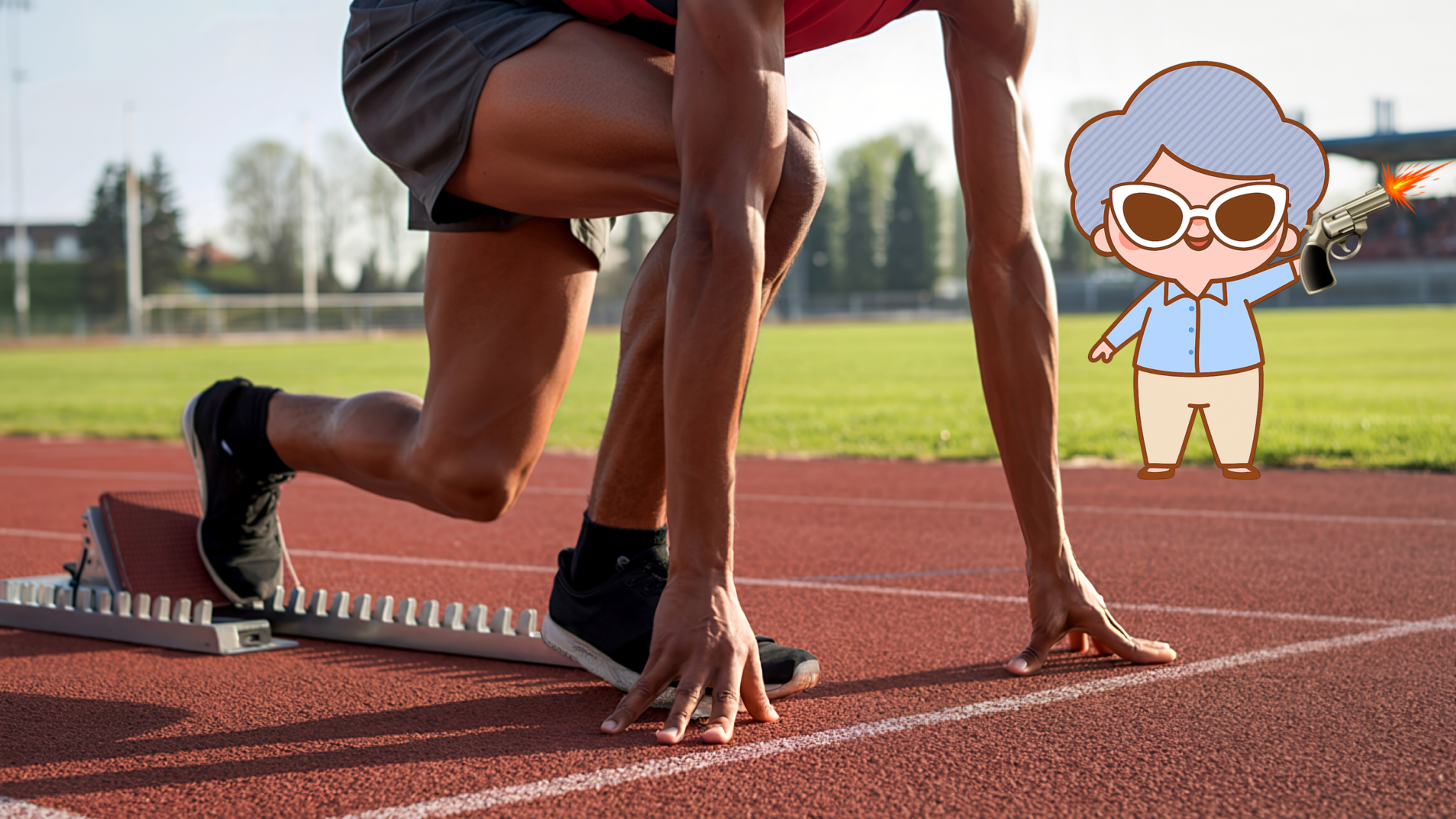
Every race in track and field starts with athletes in the starting blocks. These are the special footrests used in sprint races to provide a stable starting position. The term is often used in writing to signify the beginning of a race. For instance, you might write, “At the starting blocks, the runners crouched in position, the air thick with anticipation.”
Usage Tip: When describing the beginning of a race or event, reference the starting blocks to convey the preparation and excitement before the action unfolds.
2. The Starter Pistol Goes Off
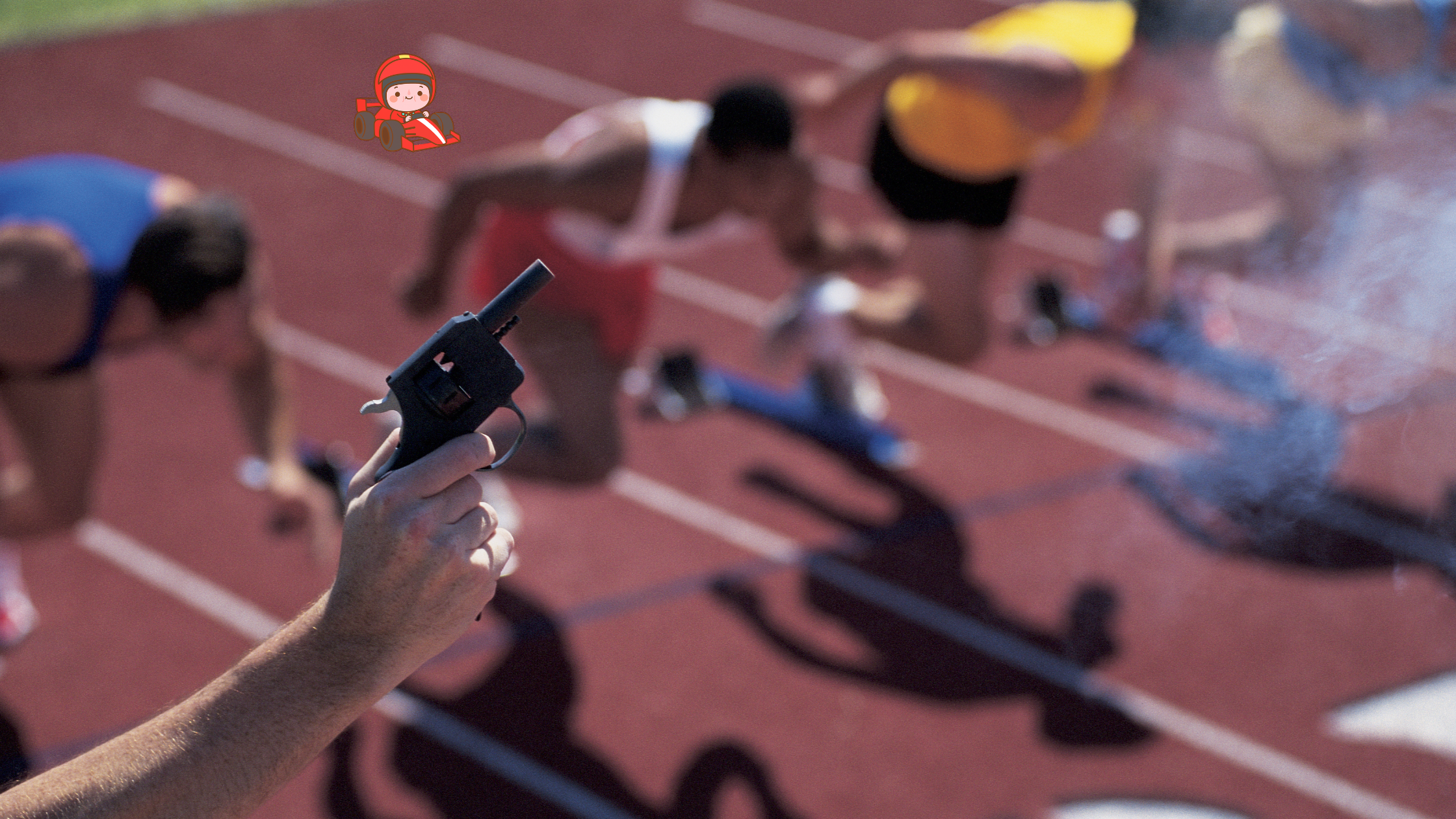
The phrase “the starter pistol goes off” refers to the starting signal of a race, often the sound of a pistol or starting gun. This moment signifies the official start of the race, where athletes spring into action.
Usage Tip: In composition writing, use this phrase to indicate the dramatic moment when action begins. For example, “As the starter pistol went off, the runners shot forward, their legs pumping with raw energy.”
3. The Finish Line
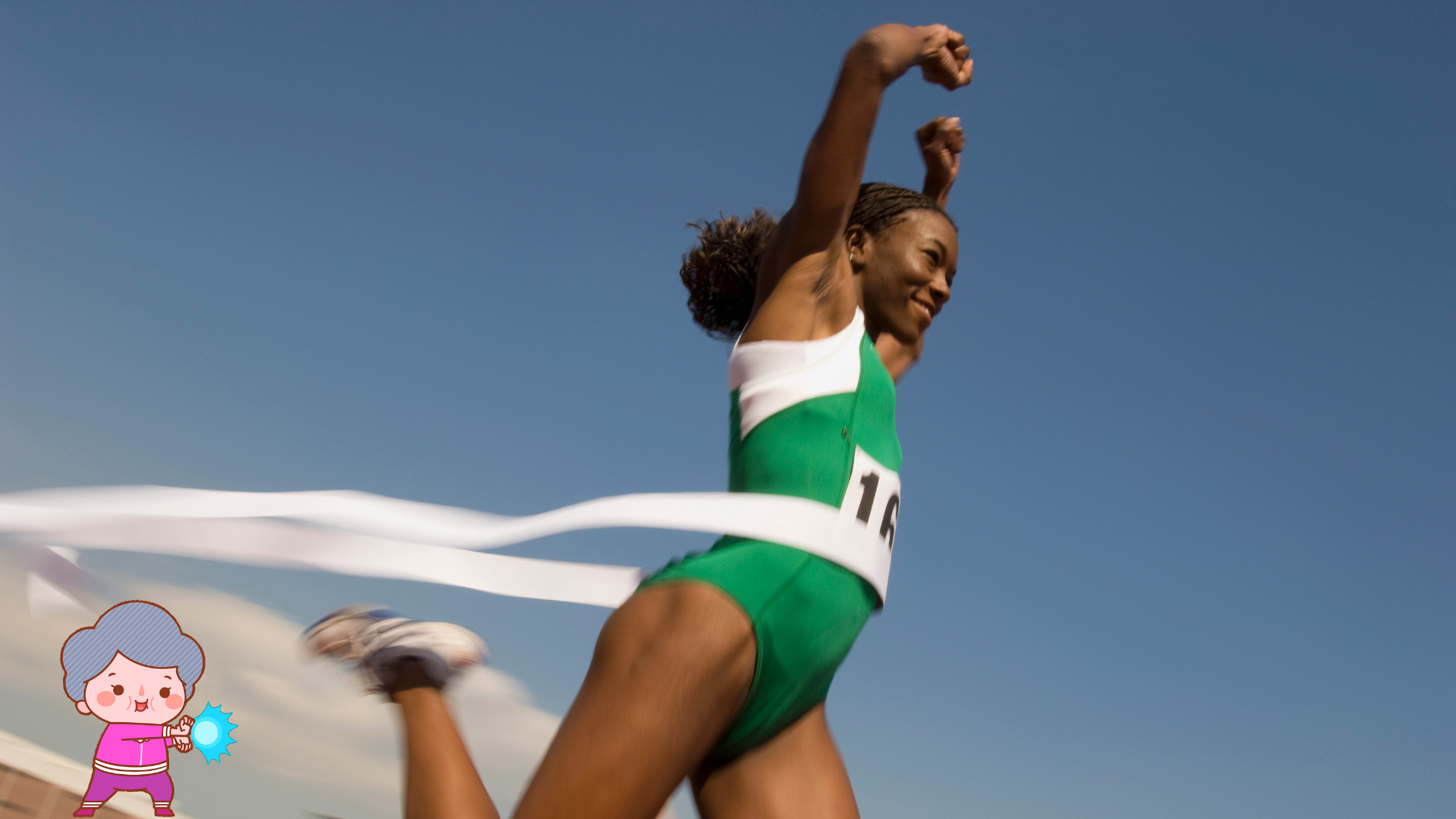
The finish line marks the end of the race, where athletes must cross to complete their event. When writing a composition, this term can be used both literally and metaphorically to signify the end of a journey, goal, or challenge.
Usage Tip: To emphasise the climax of a race or a character’s journey, the finish line serves as an excellent symbol. For example, “As she neared the finish line, every step was a battle against her own exhaustion.”
4. The Lap
In longer races, such as the 400 meters or 800 meters, athletes complete multiple laps around the track. A lap symbolises progress or stages in a longer journey.
Usage Tip: In a narrative, use laps to describe incremental progress or a repetitive journey. Example: “Each lap around the track felt like another step toward her goal, the distance closing in with every passing moment.”
————————
Sensory Details to Describe Atmosphere
The true excitement of sports events lies in the atmosphere such as the sights, sounds, smells, and even the feelings that surround the race. In this section, we’ll explore how to craft an immersive atmosphere in a track and field race scene using sensory details. Whether you’re writing a short story, a sports blog, or a piece of creative nonfiction, capturing the energy and intensity of the race through sensory details can transport your readers directly into the heart of the event.
1. Sight: The Visuals of the Race
The visual elements in a track and field race are often the most immediate and striking. The colours of the athletes’ uniforms, the tension on their faces, the movement of their bodies are details that can create an immediate connection with the reader.
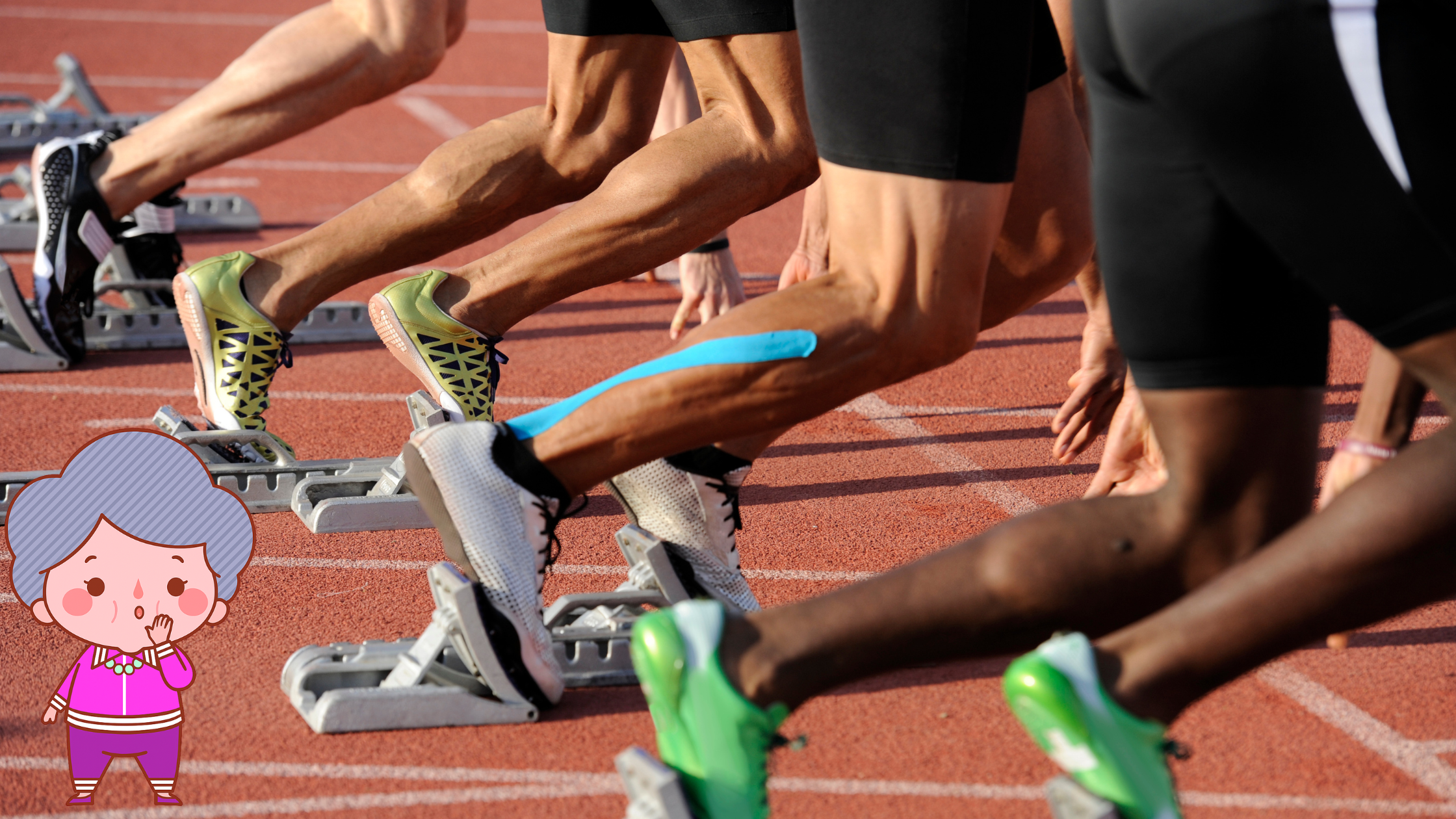
Example: “The runners lined up at the starting blocks, their brightly-coloured uniforms shimmering under the stadium lights. Their muscles twitched with anticipation and their eyes locked on to the finish line in the distance, where the crowd’s excitement was almost tangible.”
Sensory Tip: Focus on contrasts; bright uniforms against the faded track, the sharp lines of the starting blocks, or the motion of limbs in full sprint. Describe the athletes’ facial expressions and body language to capture their concentration and determination.
2. Sound: The Roar of the Crowd and the Start of the Race
One of the most powerful sensory details in any race is sound. The roar of the crowd, the sharp crack of the starting gun, the rhythmic pounding of feet hitting the track—all of these sounds build the tension and excitement of the race.
Example: “The crack of the starting gun shattered the quiet morning air, and with it, the stadium erupted. The crowd’s roar was deafening, a wild mix of cheers and gasps that followed the athletes as they sprinted around the track.”
Sensory Tip: Highlight moments where the sound contrasts with the silence before the race begins. Describe the difference between the intense focus before the starting gun and the explosive noise that follows, along with the steady rhythm of footsteps as athletes push through the race.
3. Touch: The Feel of the Track and the Athlete’s Effort
While you can’t physically touch the atmosphere, the sense of touch plays a big role in capturing the physical struggle of athletes. From the feel of the track underfoot to the athlete’s struggle against the pull of gravity, these tactile details make the race more relatable.
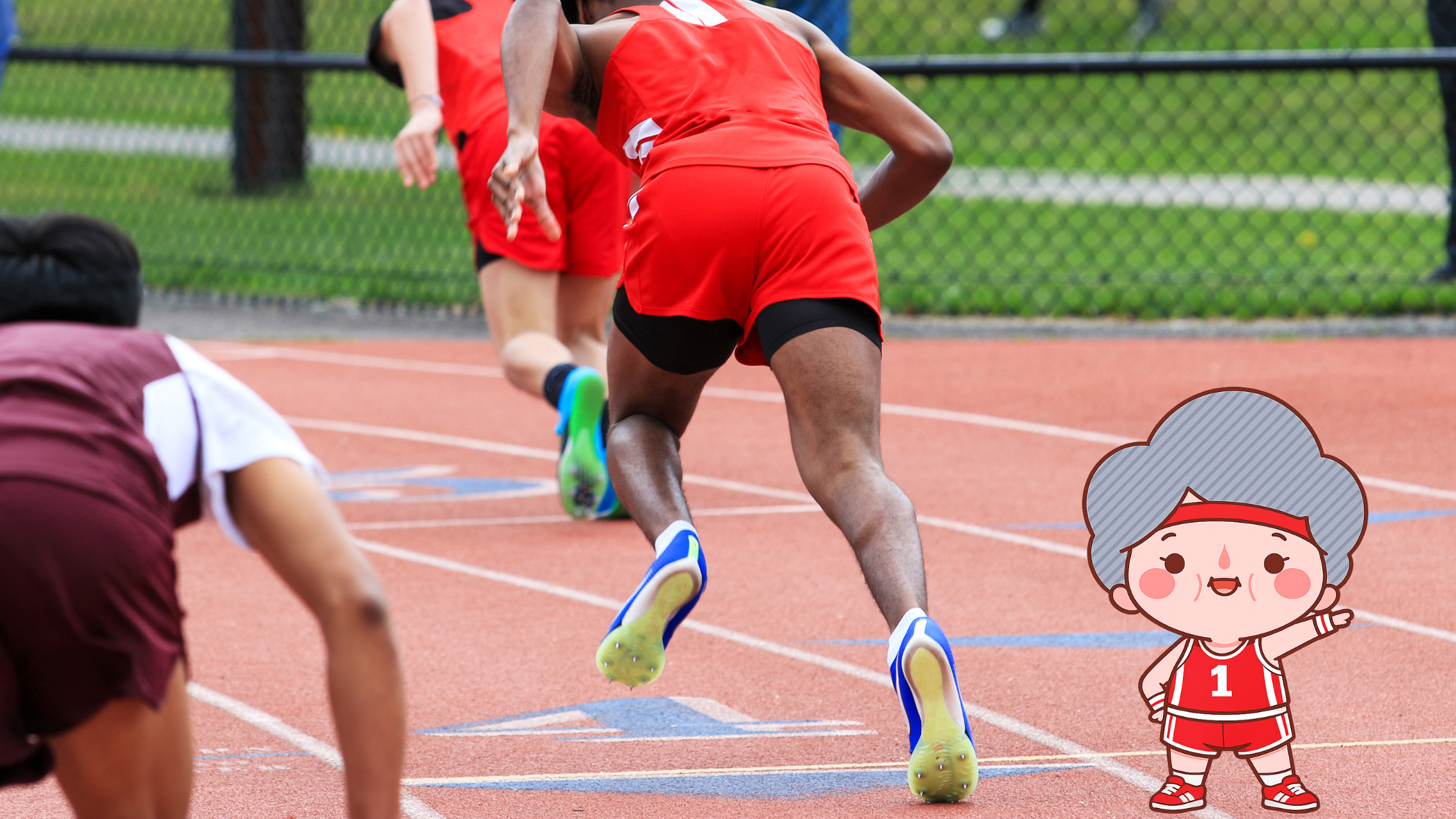
Example: “The runners’ spikes dug into the synthetic track, a firm grip that propelled them forward with every step. Sweat clung to their skin as they fought to maintain their pace, the burn in their legs intensifying with each lap.”
Sensory Tip: Use touch to express the physical toll of the race. Mention the way the track feels beneath the runners’ feet, how the athletes’ muscles feel like they’re being stretched to their limit, or the way the air feels thick with exertion as the race heats up.
4. Smell: The Scent of the Stadium
While smell might not be the first thing that comes to mind when thinking about a race, it plays an essential role in setting the mood. The scent of fresh-cut grass, the earthy smell of the track, or even the faint scent of sweat in the air can help bring the scene to life.
Example: “The smell of freshly cut grass hung in the air, mingling with the faint, metallic scent of the track. In the stands, the aroma of popcorn and hot dogs wafted through the crowd, a contrast to the tension that gripped the stadium.”
Sensory Tip: Use smell to enhance the realism of the setting. Whether it’s the fresh aroma of the outdoor track or the scent of the athletes’ sweat as they push through their limits, describing the smells around them helps create a more complete atmosphere.
When writing about a track and field race, it’s easy to focus on the action alone whether it is the swift movements, the timing, or the athletes’ performances.
However, to truly immerse your readers in the experience, it’s essential to bring in the atmosphere through sensory details. By using sight, sound, touch, smell, taste, and emotion, you can paint a vivid picture that makes your readers feel as though they’re right there, on the track, with the runners. Furthermore, by incorporating all track and field related jargon, you create a race scene that feels real, dynamic, and electric.
I hope you sprint ahead and use the vocabulary tips above and paint a realistic scene with your words! For more composition tips, do browse our other blog posts and visit our Lil But Mighty YouTube channel.